
In the world of software development, choosing the right architecture is crucial. Comparing monolith vs microservices helps in understanding which approach best suits your project’s needs. Each has its own advantages and challenges, making it essential to grasp their fundamental differences.
Find below five key distinctions between monolith and microservices architectures.
Structure and composition
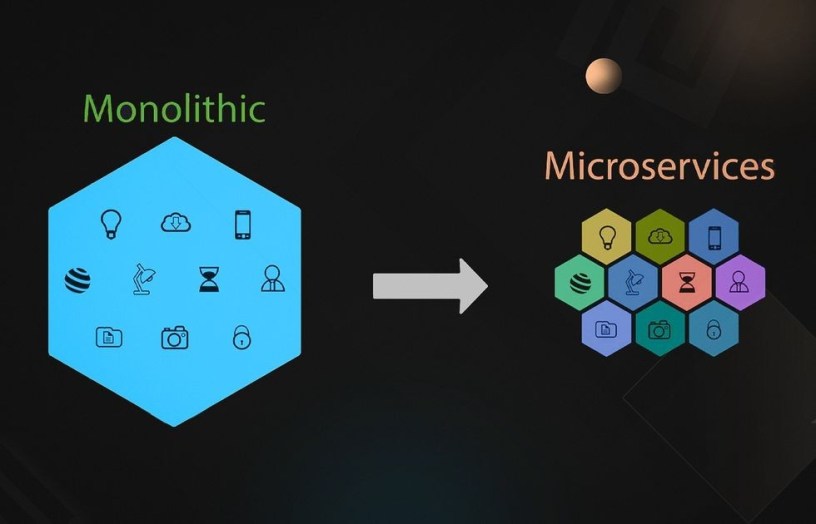
A monolithic architecture combines all components of an application into a single, unified codebase. This makes it easier to develop and deploy initially but can lead to a complex and tightly coupled system as the application grows.
Microservices architecture breaks down an application into smaller, independent services, each responsible for a specific functionality. This modularity allows for more manageable codebases and easier updates.
Deployment
Deployment in a monolithic architecture involves releasing the entire application at once. Any change requires redeploying the whole system, which can be time-consuming and risky.
Each service in a microservices architecture can be deployed independently. This means changes to a single service do not affect the entire system, allowing for more frequent and safer deployments.
Scalability
Scaling a monolithic application can be challenging. Typically, you have to scale the entire application, even if only one part requires more resources.
Microservices allow for more granular scalability. Each service can be scaled independently based on its specific needs, leading to more efficient resource utilization.
Technology stack
A monolithic application usually relies on a single technology stack, which can simplify development but limit flexibility.
Different services can use different technology stacks, allowing teams to choose the best tools for each specific task. This flexibility can lead to better performance and innovation.
Fault isolation
In a monolithic system, a failure in one component can potentially bring down the entire application. This can result in longer downtimes and more complex debugging processes.
Fault isolation is a significant advantage of microservices. If one service fails, it does not necessarily impact the rest of the system, improving overall resilience and maintainability.
Final thoughts
Understanding these fundamental differences will help you make an informed decision that aligns with your development goals.
 The Cyber Tech Blog