
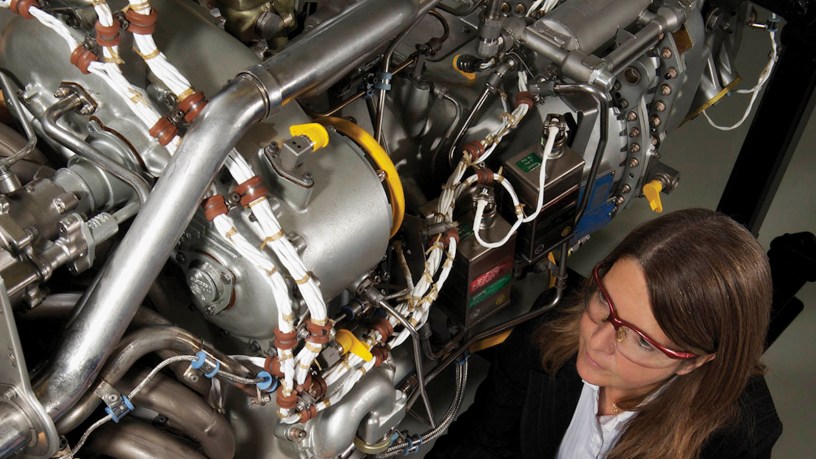
RS chip tuning Singapore operates within a complex web of regulatory constraints and technological innovation that reveals the intricate relationship between automotive enthusiasts, government oversight, and the relentless pursuit of performance enhancement in one of Asia’s most tightly controlled automotive markets. Beneath the surface of Singapore’s meticulously ordered streets lies a sophisticated subculture where engine control unit modifications represent more than mere power gains—they embody a quiet rebellion against standardisation and a testament to human ingenuity operating within stringent legal boundaries.
The Regulatory Landscape: Navigating Legal Complexities
Singapore’s automotive modification laws present a labyrinth of restrictions that would challenge even the most determined enthusiast. The Land Transport Authority maintains strict guidelines governing engine modifications, creating an environment where performance enhancement exists in carefully defined legal corridors. These regulations, whilst ostensibly designed for safety and environmental protection, have inadvertently fostered an underground economy of knowledge and expertise.
The legal framework surrounding engine modifications operates on multiple levels of complexity. Surface-level regulations prohibit obvious modifications, yet deeper examination reveals grey areas where sophisticated electronic modifications can exist without direct violation of written statutes. This regulatory ambiguity has created opportunities for those with sufficient technical knowledge and legal understanding.
Technical Sophistication: Beyond Simple Power Gains
Modern chip tuning represents a convergence of automotive engineering and computer programming that would have been inconceivable just two decades ago. Engine control units now contain more processing power than early spacecraft, managing hundreds of parameters simultaneously to optimise performance, emissions, and fuel efficiency.
The modification process involves:
- Reverse-engineering manufacturer software protocols
- Analysing fuel injection timing and ignition maps
- Optimising turbocharger boost pressures and wastegate controls
- Modifying transmission shift points and torque management
- Calibrating safety parameters and knock detection systems
- Implementing custom exhaust gas recirculation strategies
This technical complexity requires practitioners to possess expertise spanning mechanical engineering, computer programming, and automotive electronics—a skill set that few individuals fully master.
The Economic Underground: A Hidden Market
Investigation into Singapore’s performance modification market reveals economic dynamics that operate largely outside traditional business frameworks. Practitioners often work through informal networks, relying on word-of-mouth referrals and personal recommendations rather than conventional advertising or storefront operations.
“The business model is built on trust and expertise rather than marketing,” explains one industry insider who requested anonymity due to the sensitive nature of the work. “Customers aren’t buying a product—they’re purchasing access to knowledge and capability that exists nowhere else.”
This economic structure reflects broader patterns found in other regulated industries where expertise becomes commodified through scarcity rather than scale. The high barriers to entry created by technical complexity and regulatory uncertainty ensure that successful practitioners can command premium pricing for their services.
Historical Context: Evolution of Performance Culture
Singapore’s automotive enthusiast culture developed despite, rather than because of, government policies encouraging private vehicle ownership. The nation’s unique economic history—rapid industrialisation combined with land scarcity—created conditions where automotive ownership became both a status symbol and a significant financial burden.
The Certificate of Entitlement system, introduced in 1990, fundamentally altered the relationship between Singaporeans and their vehicles. When cars cost multiples of their overseas prices, owners developed different attitudes towards modification and performance enhancement. Rather than treating vehicles as disposable commodities, high ownership costs encouraged long-term ownership and customisation investments.
RSCHIP Chiptuning: Technical Methodology and Market Position
RSCHIP Chiptuning represents a sophisticated approach to engine management modification that addresses the specific challenges of Singapore’s automotive environment. The methodology involves comprehensive analysis of original equipment manufacturer programming before implementing carefully calibrated modifications designed to enhance performance whilst maintaining reliability and emissions compliance.
The technical approach emphasises:
- Conservative safety margins to prevent engine damage
- Emissions compliance within regulatory frameworks
- Reversibility to restore original configurations
- Compatibility with existing warranty structures
- Integration with factory diagnostic systems
This methodical approach reflects the professional standards necessary to operate within Singapore’s regulatory environment whilst delivering meaningful performance improvements.
Social Implications: Class and Access
The demographics of chip tuning clientele reveal broader patterns of wealth distribution and social stratification within Singapore society. Performance modification requires significant disposable income—not merely for the initial modification, but for ongoing maintenance of modified systems and potential repair costs.
This economic barrier creates a form of automotive stratification where performance enhancement becomes a marker of social and economic status. The technical knowledge required for successful modification further restricts access to those with either extensive automotive backgrounds or sufficient resources to purchase expertise.
Technological Convergence: Future Directions
The evolution towards hybrid and electric powertrains presents new challenges and opportunities for performance modification. Traditional chip tuning focuses on internal combustion engine parameters, but emerging technologies require different expertise and approaches.
Electric vehicle modifications involve battery management systems, motor controllers, and thermal management strategies that demand new technical competencies. This technological transition threatens to obsolete existing expertise whilst creating opportunities for practitioners willing to invest in new knowledge and equipment.
Enforcement Challenges: The Regulatory Cat-and-Mouse Game
Singapore’s enforcement apparatus faces inherent challenges in detecting and prosecuting sophisticated electronic modifications. Unlike visible modifications such as exhaust systems or suspension changes, chip tuning leaves minimal physical evidence of alteration.
Regulatory agencies must balance enforcement resources against the technical complexity of detection, creating practical limitations on oversight effectiveness. This enforcement gap enables continued operation of modification services whilst maintaining plausible legal compliance.
Conclusion: The Persistence of Human Ingenuity
The continued evolution of Singapore’s performance modification culture demonstrates the persistence of human creativity and technical innovation even within highly regulated environments. Despite significant legal, economic, and technical barriers, practitioners continue developing sophisticated solutions that push the boundaries of what remains possible within existing frameworks, ensuring that both rs chip tuning Singapore and RSCHIP Chiptuning will continue adapting to meet the demands of enthusiasts seeking performance enhancement in an increasingly complex regulatory landscape.
 The Cyber Tech Blog